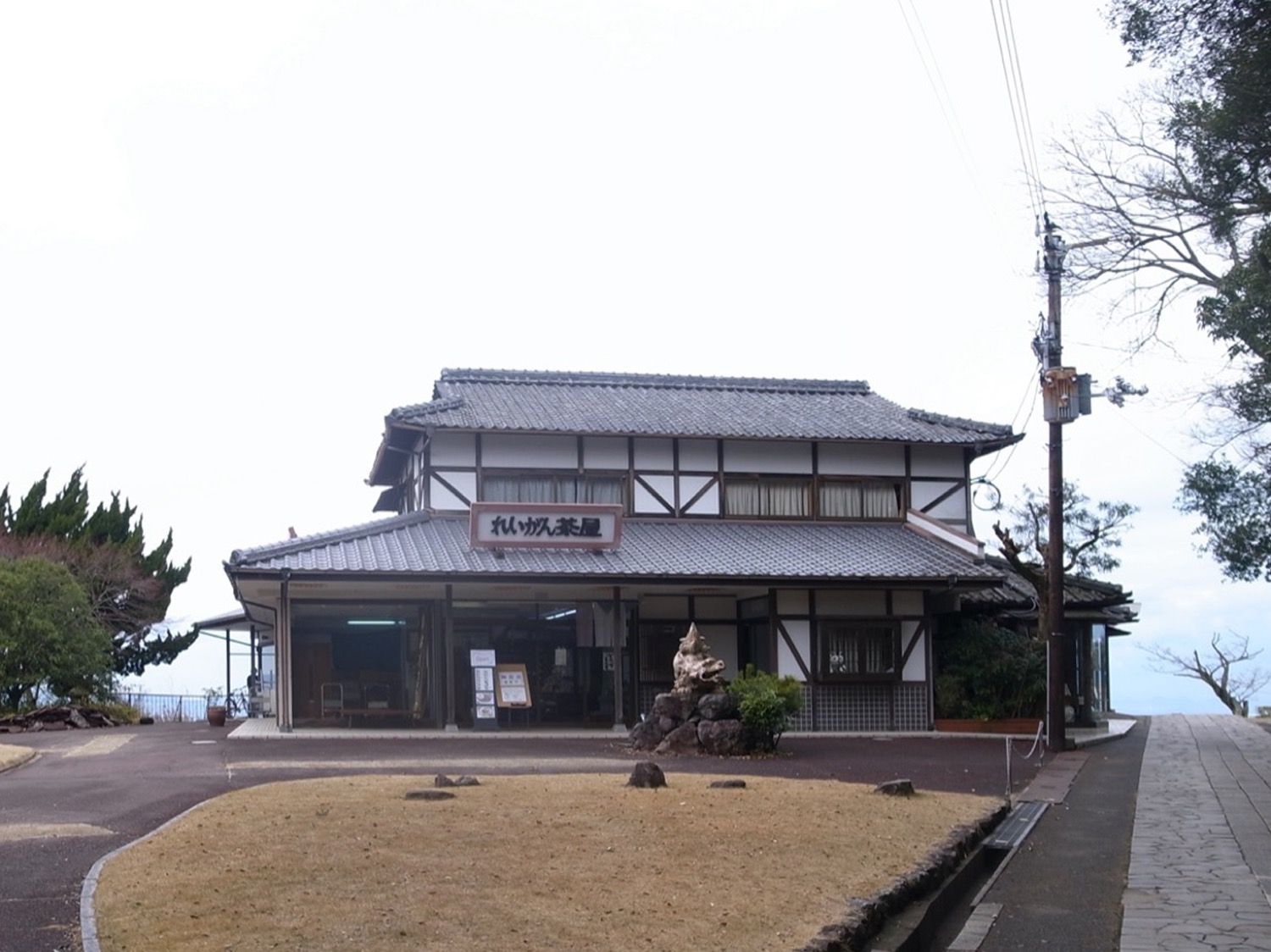
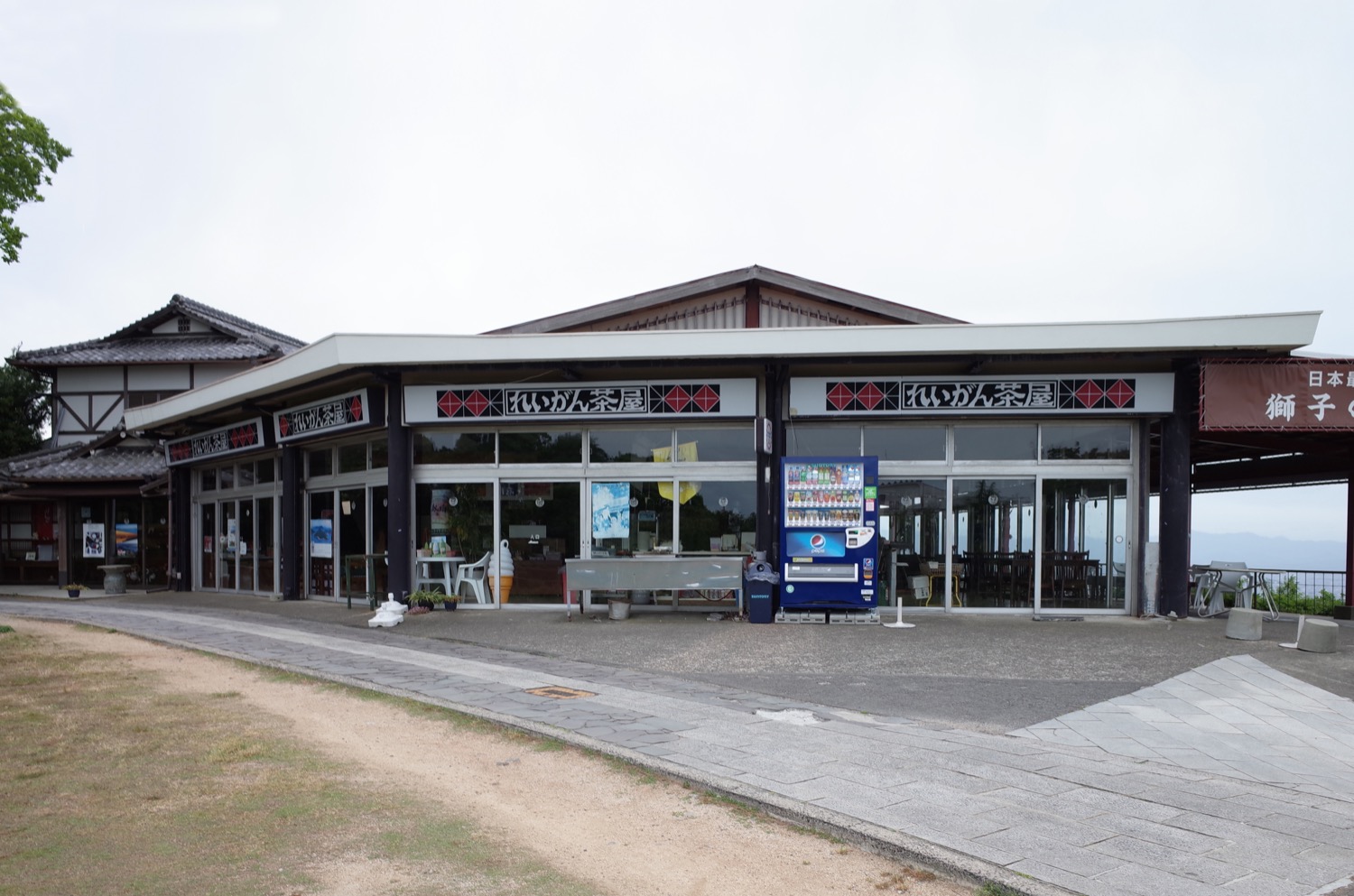
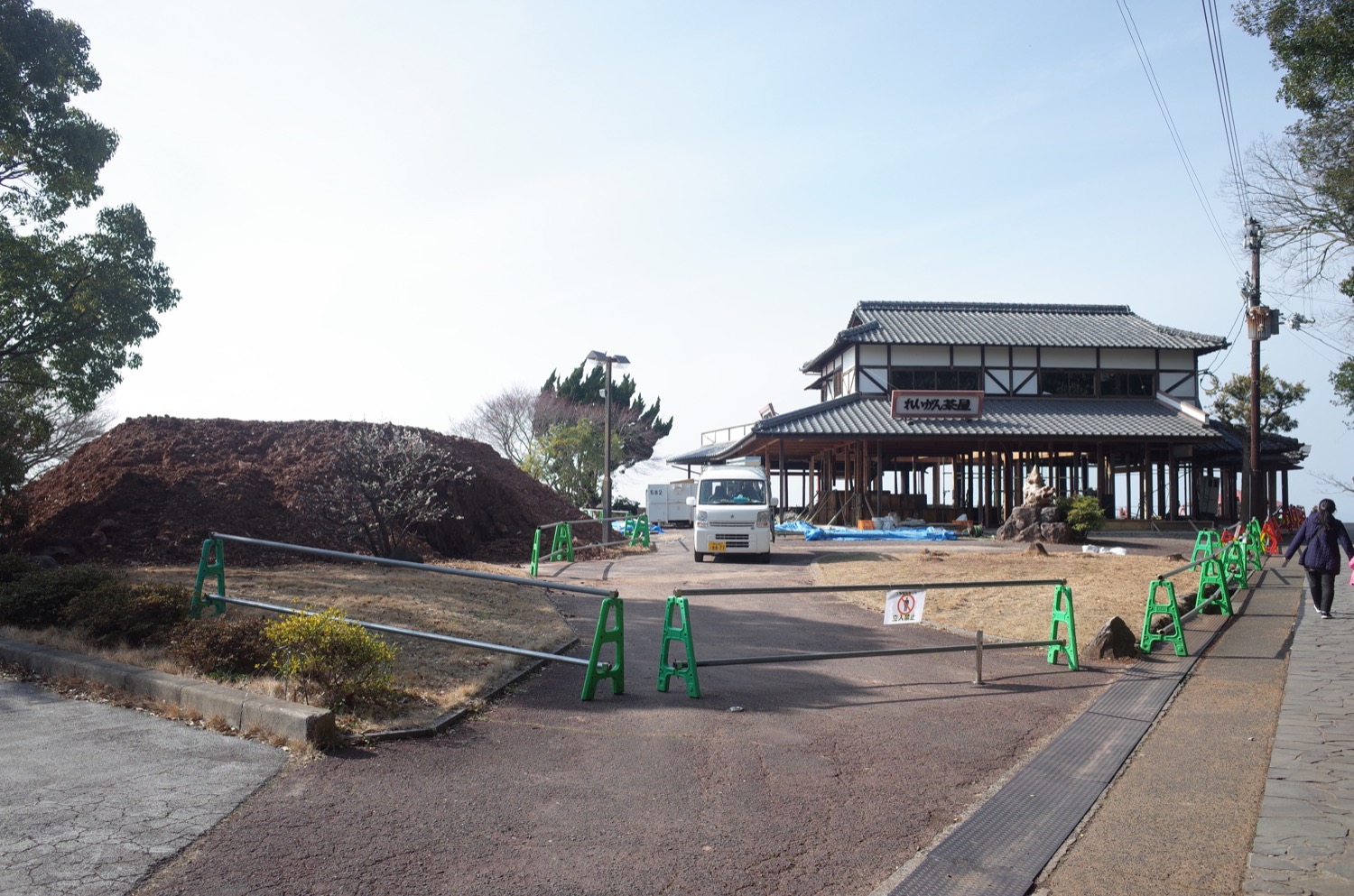
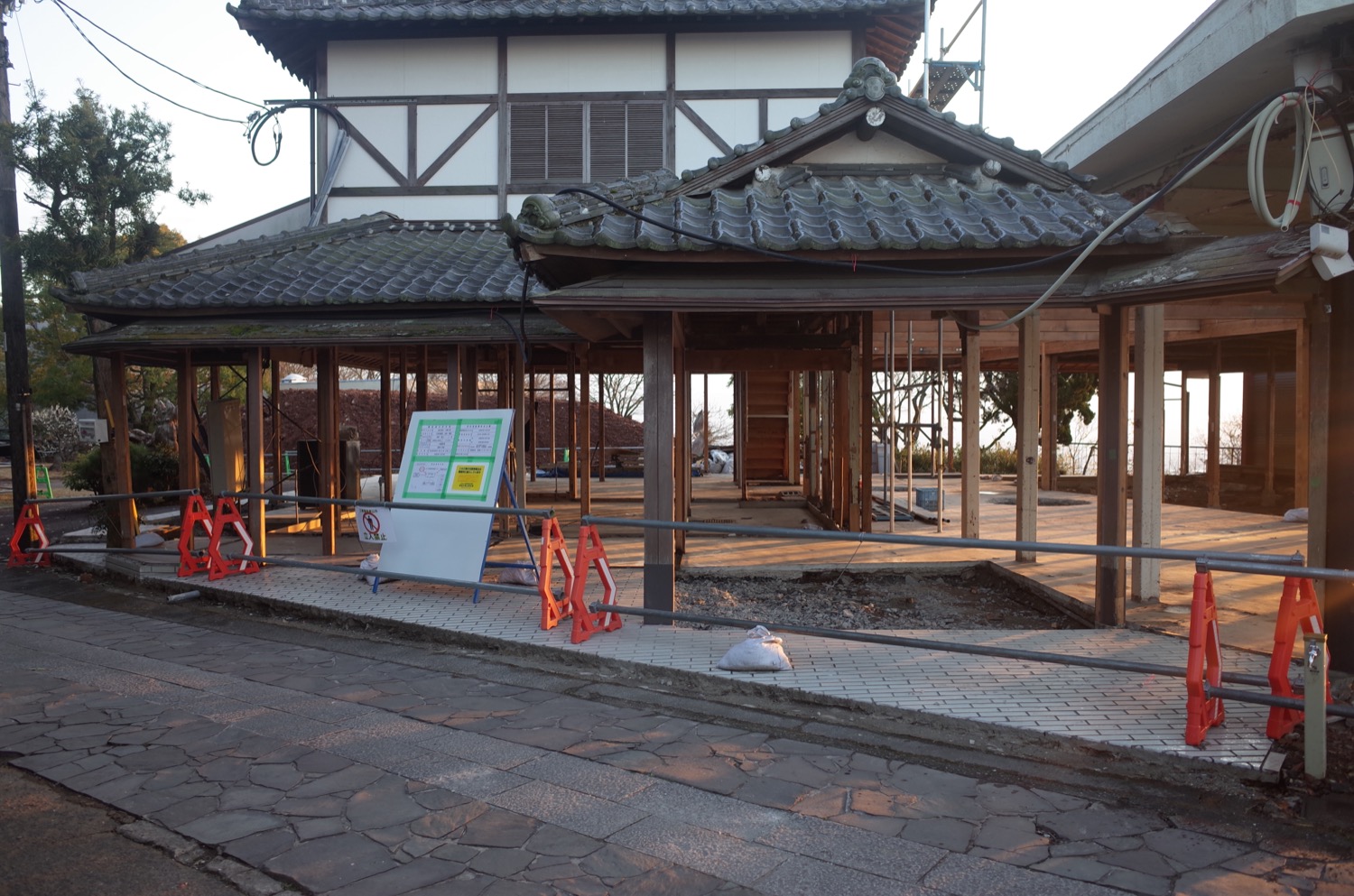
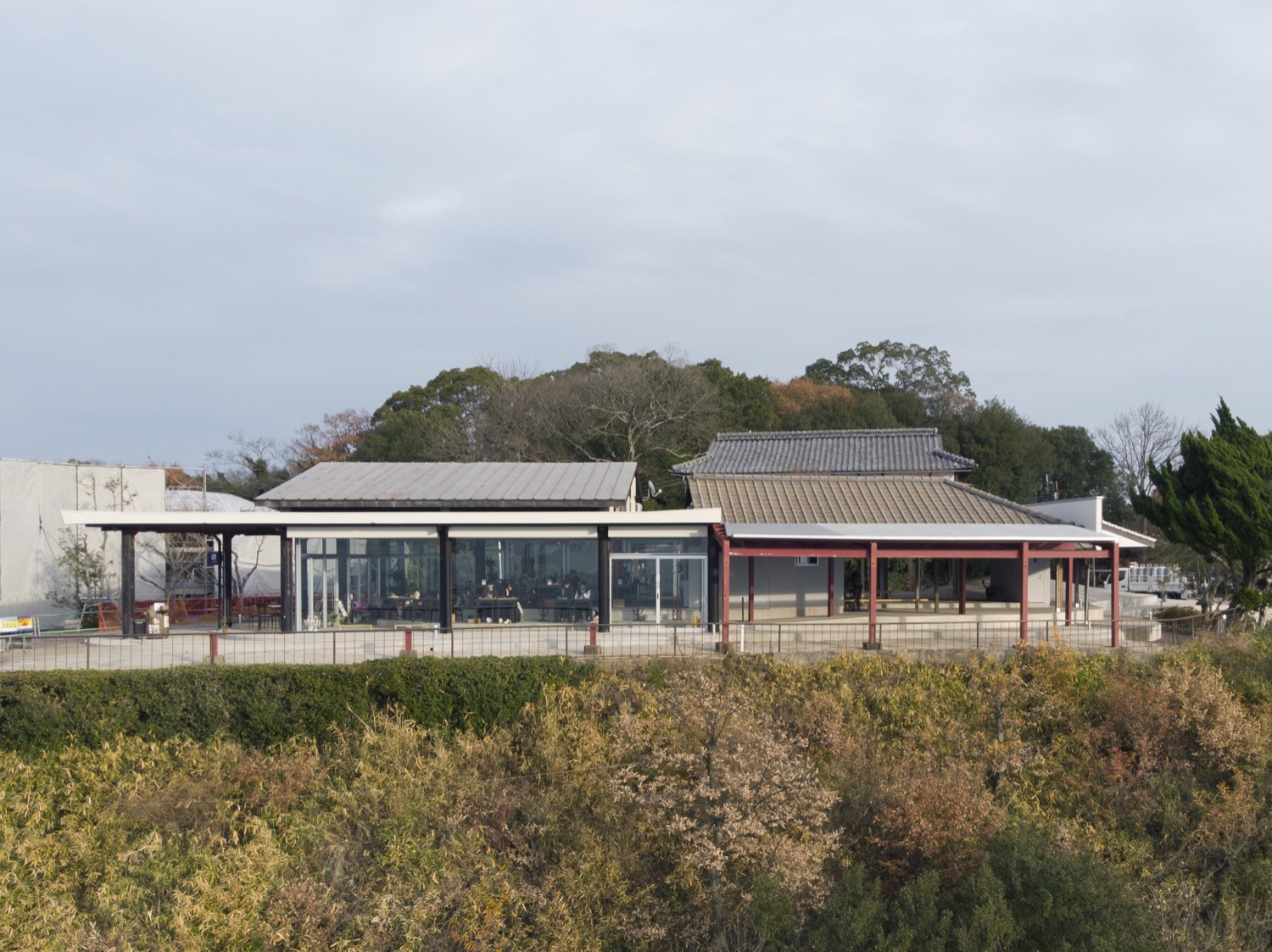
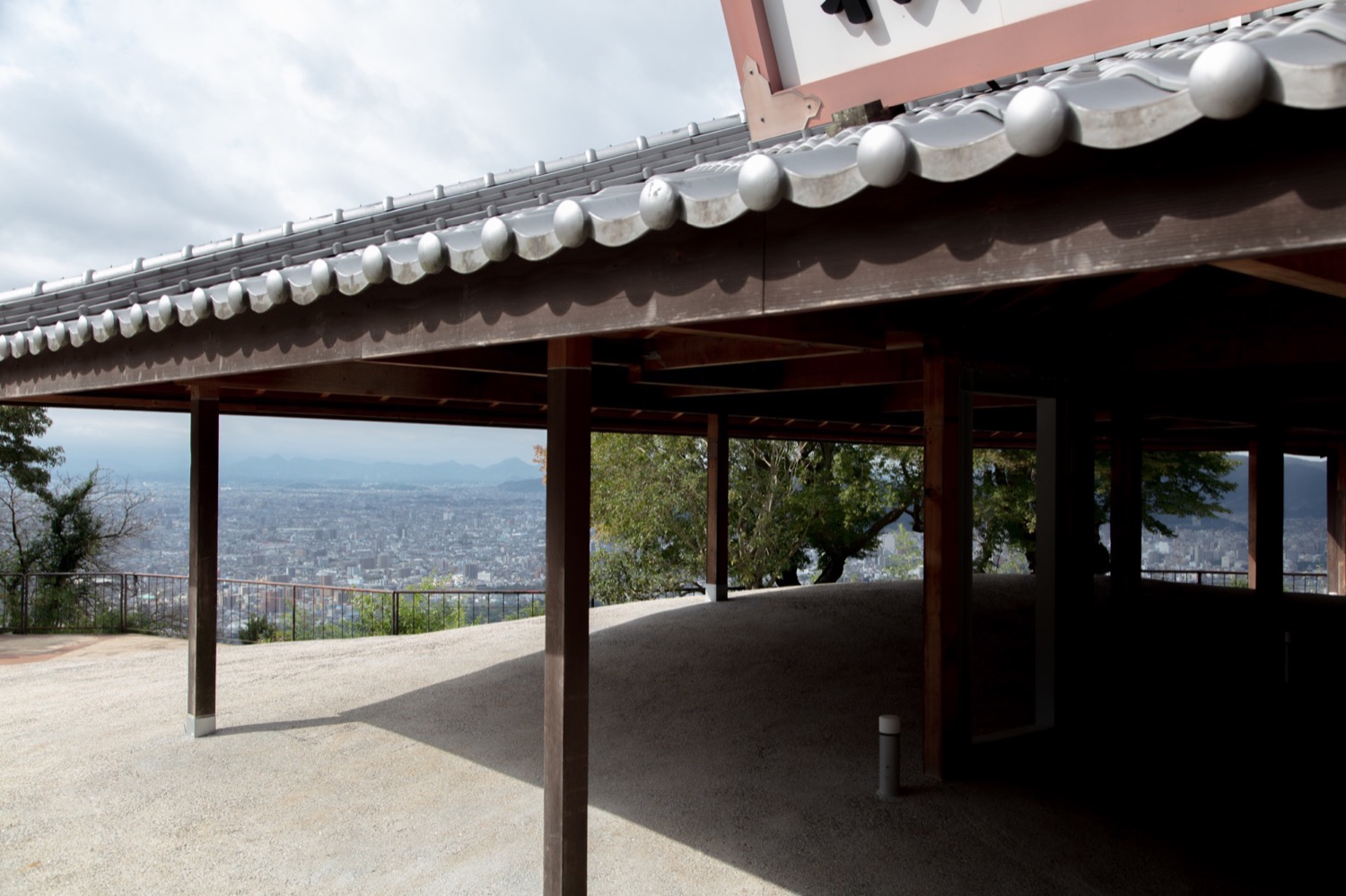
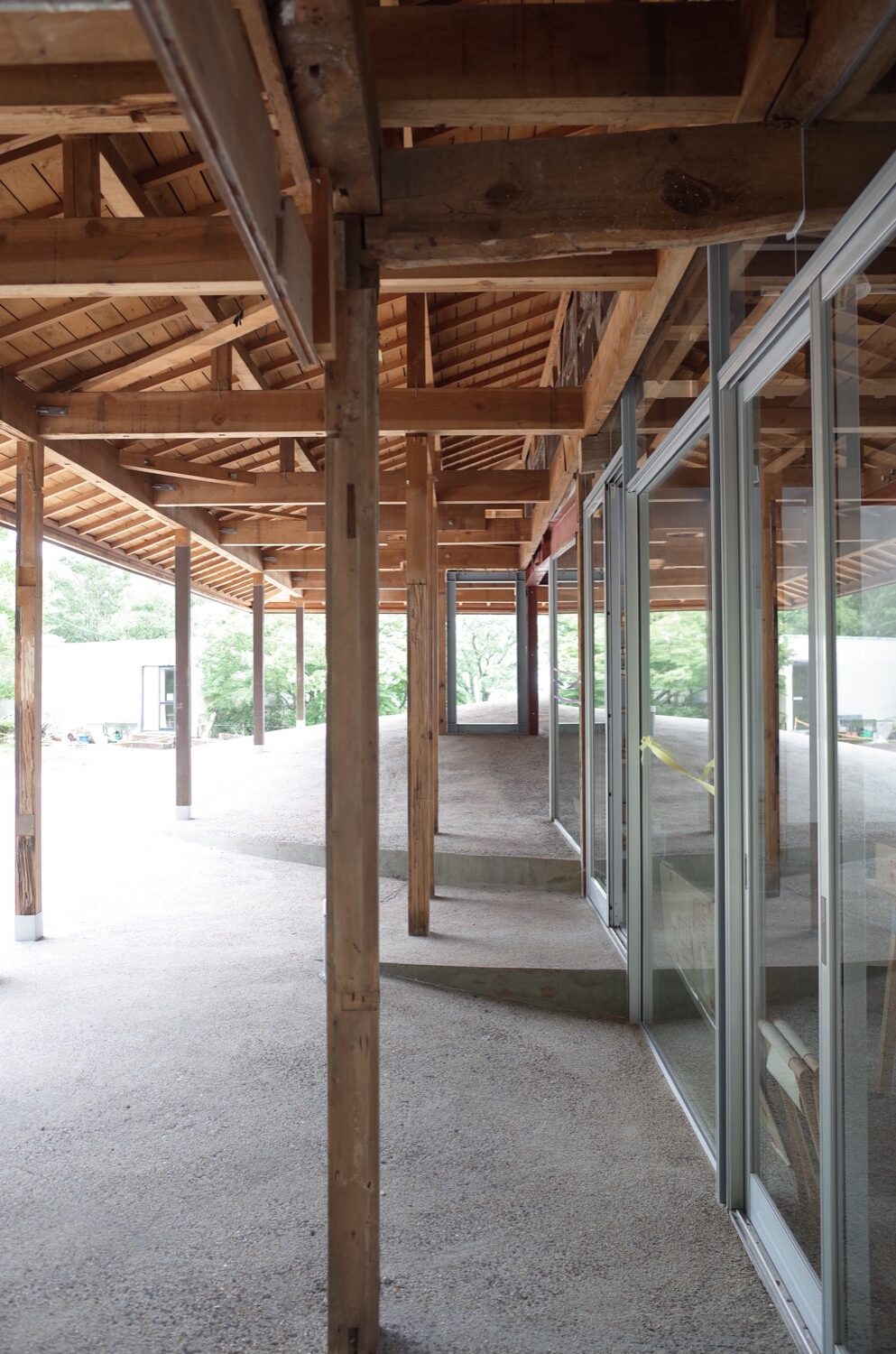
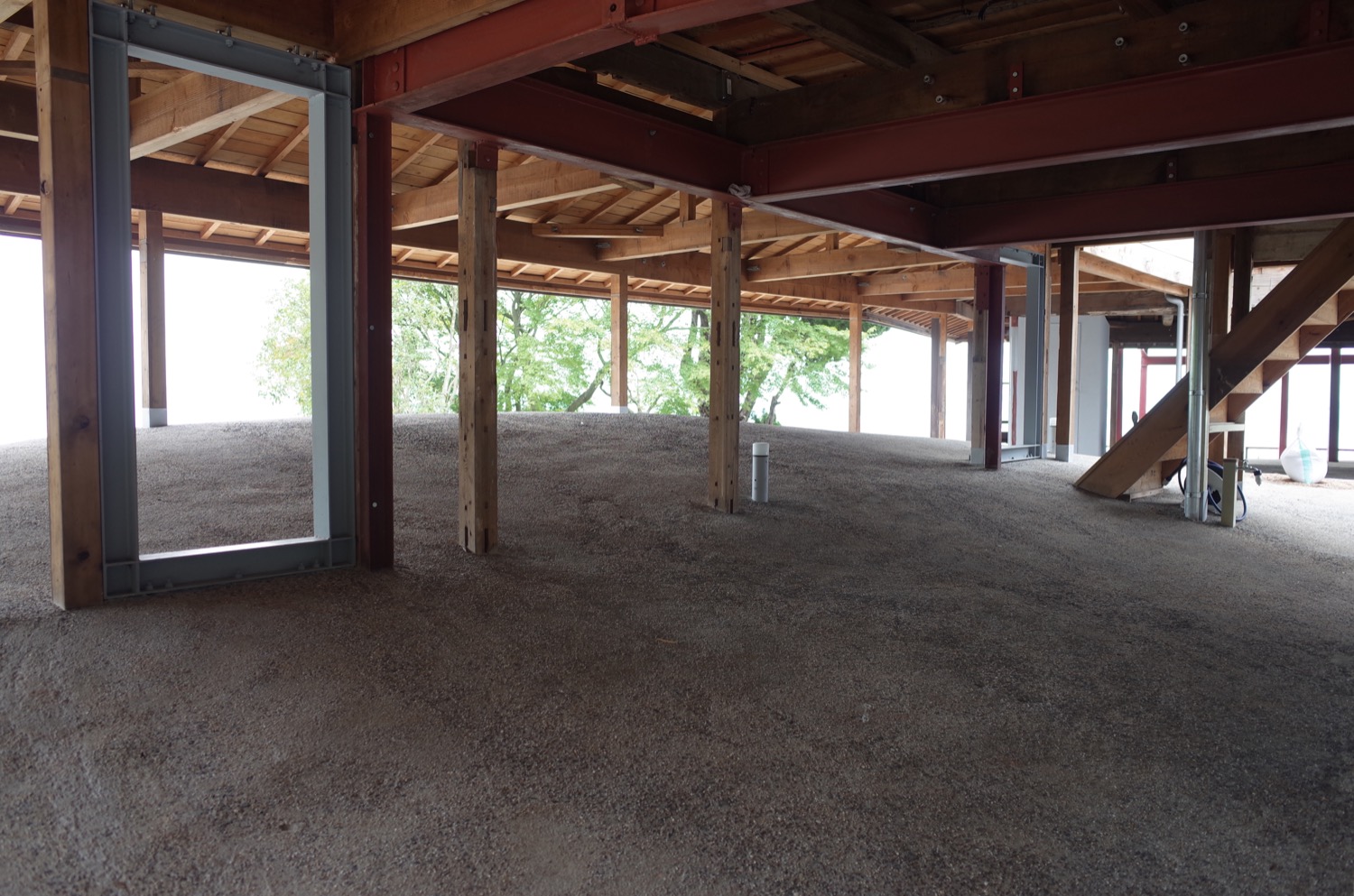
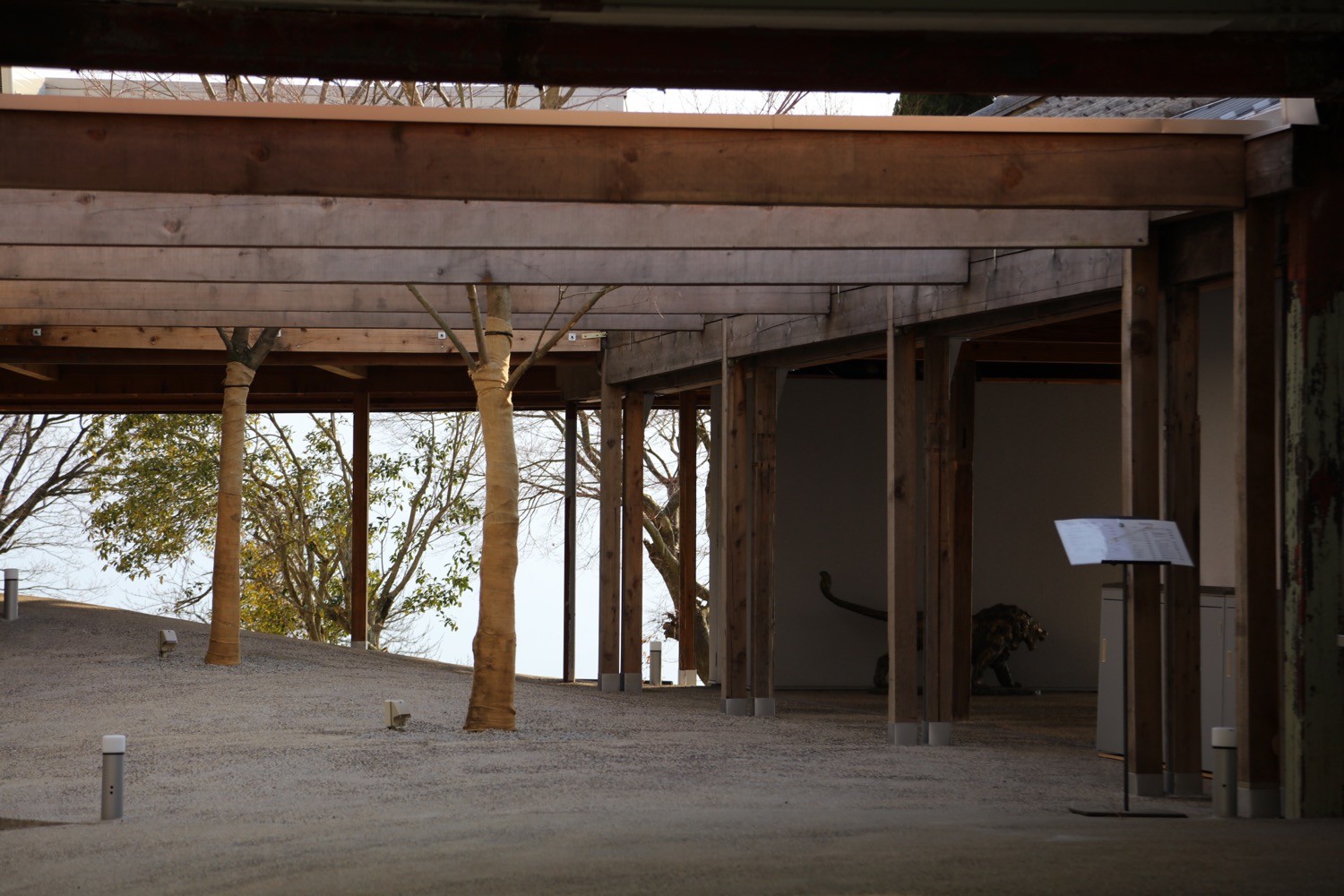
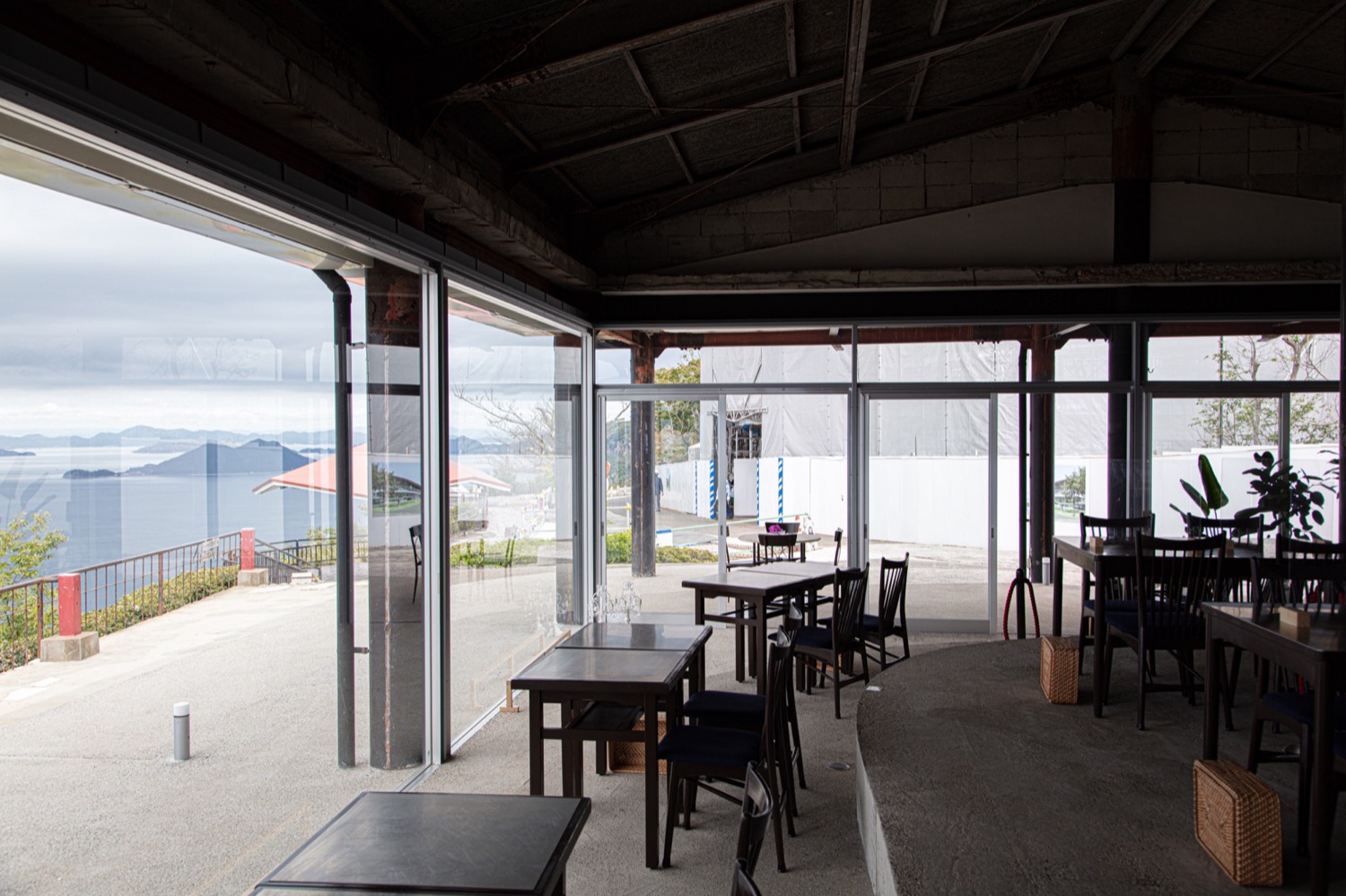
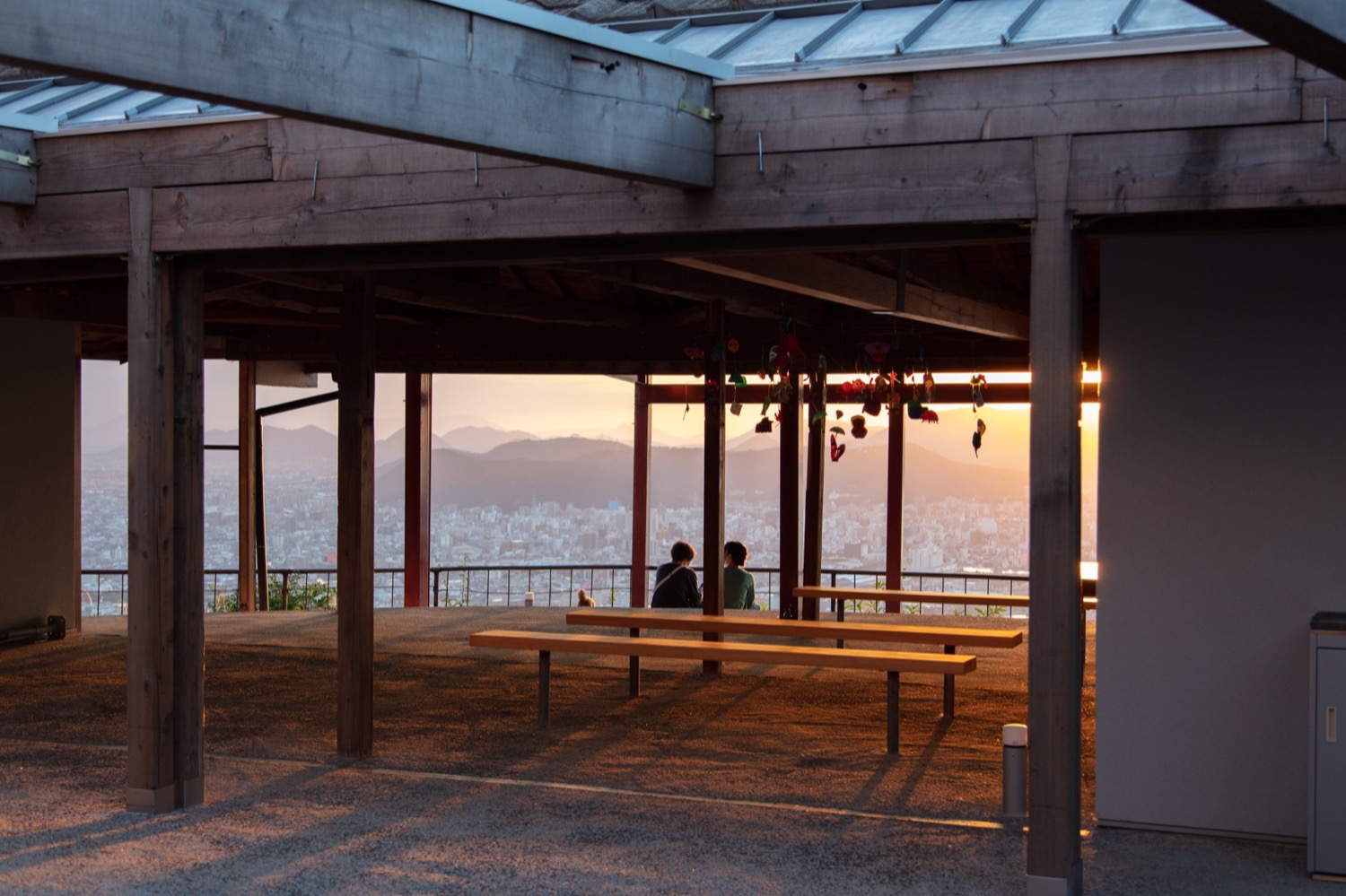
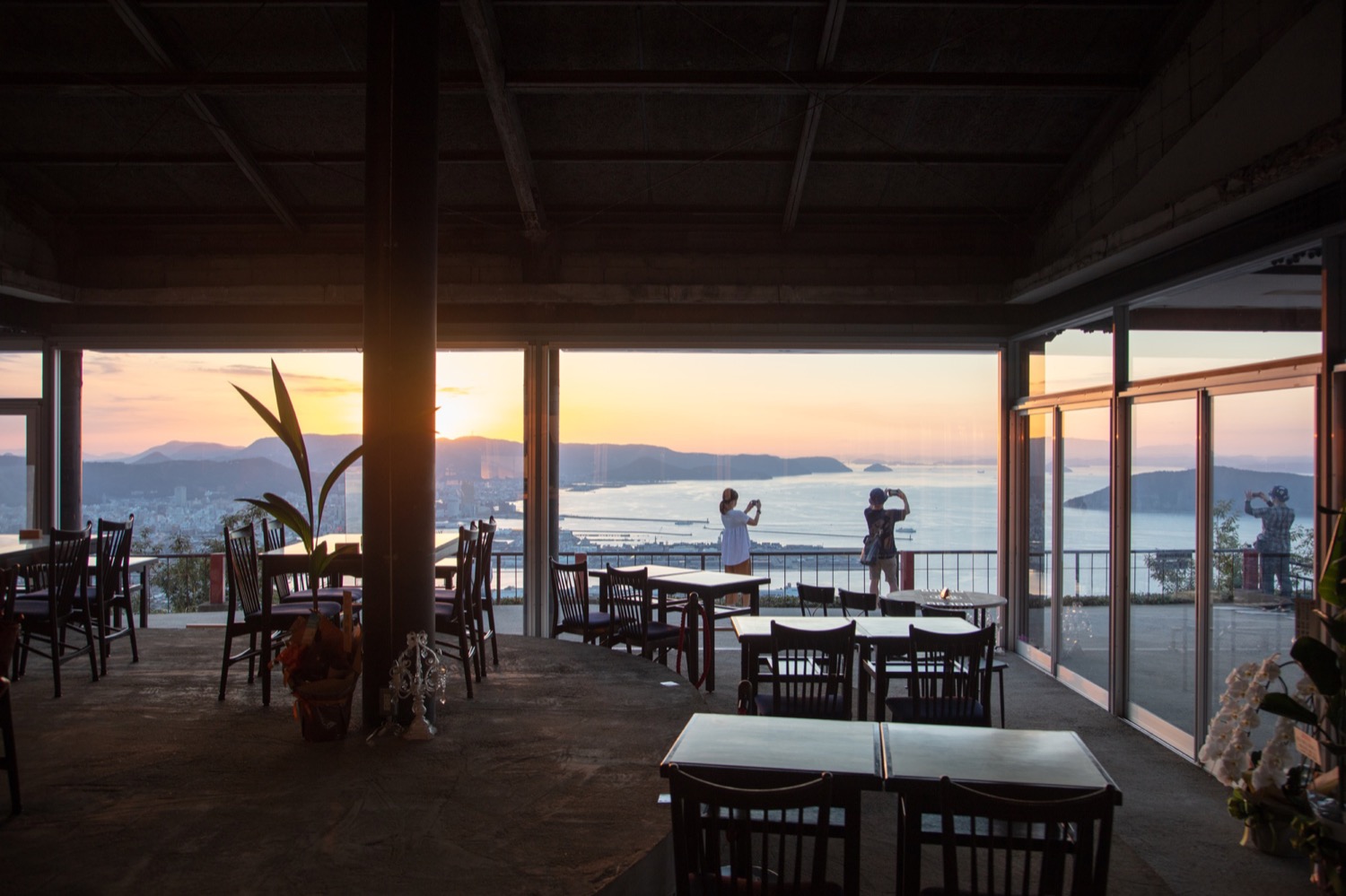
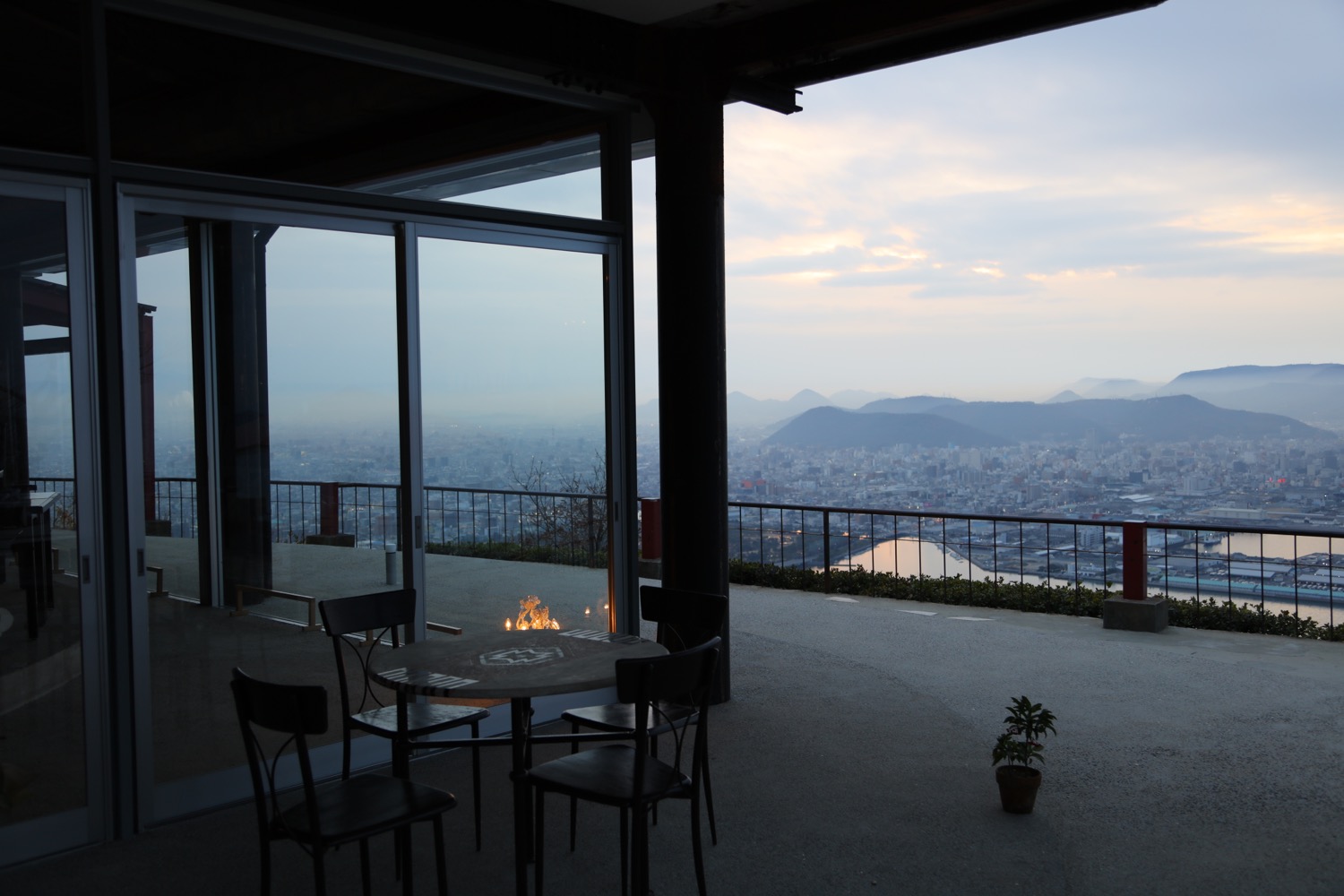
When I first visited the site, I saw fragile traces of human life and houses that seemed as if they might collapse at any moment, set against the backdrop of the sea and sky. The scene was beautiful. It evoked how the landscape has slowly changed its details over time, how the topography has shifted even more gently, and how it is still, even now, continuing to move.
This entire area is designated as a natural monument, a place where the natural environment is valued above human activity. This is, in fact, a rule that we humans have created for ourselves. Once, the area was lively with many people, but over time that vitality has faded. Scattered traces suggest that buildings once stood here. Not only the buildings, but the very order that once structured this place is being slowly unraveled by the supple force of time, merging into the larger order of nature. I felt that we are witnessing this process in the present moment. To build something new in a place that must be protected is not easy. Within this irreversible flow toward nature, what we see before us can also be understood as part of a larger cycle that all living beings, including ourselves, have always been part of.
If we acknowledge this overwhelming flow—one that even feels meaningless to resist—and if we are still allowed to remain on this site within the rules we have set, then what form should architecture take? If we observe time as a kind of cross-section, we see a balance: a place once formed by the order of nature, then structured by human order, and eventually returning again to the dominance of nature. Could we affirm this condition and treat this very balance as the order of the place? Could architecture be conceived as a way of gently holding together, for a while longer, a place that seems on the verge of dissolving, preserving it as it is as much as possible?
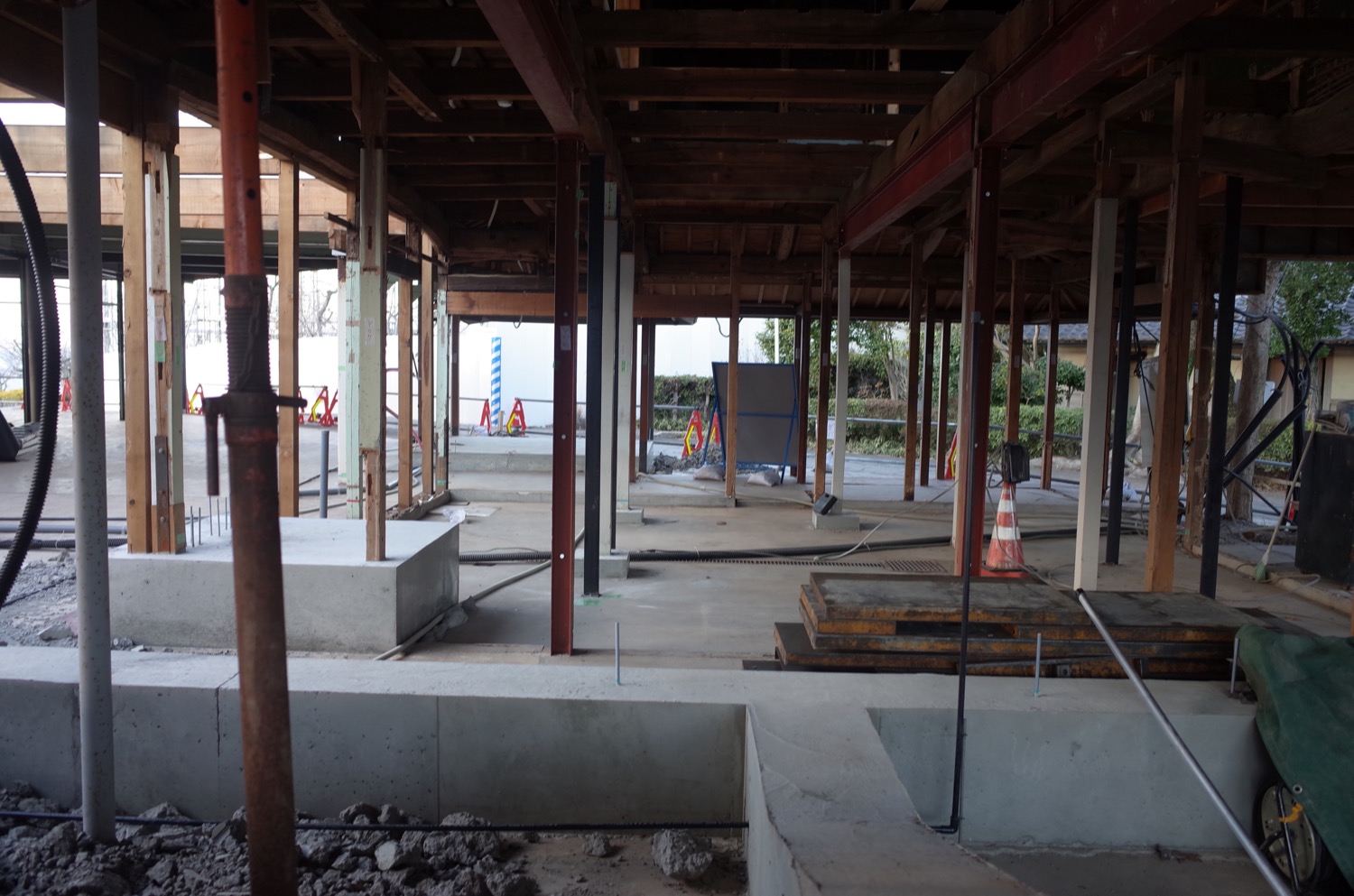
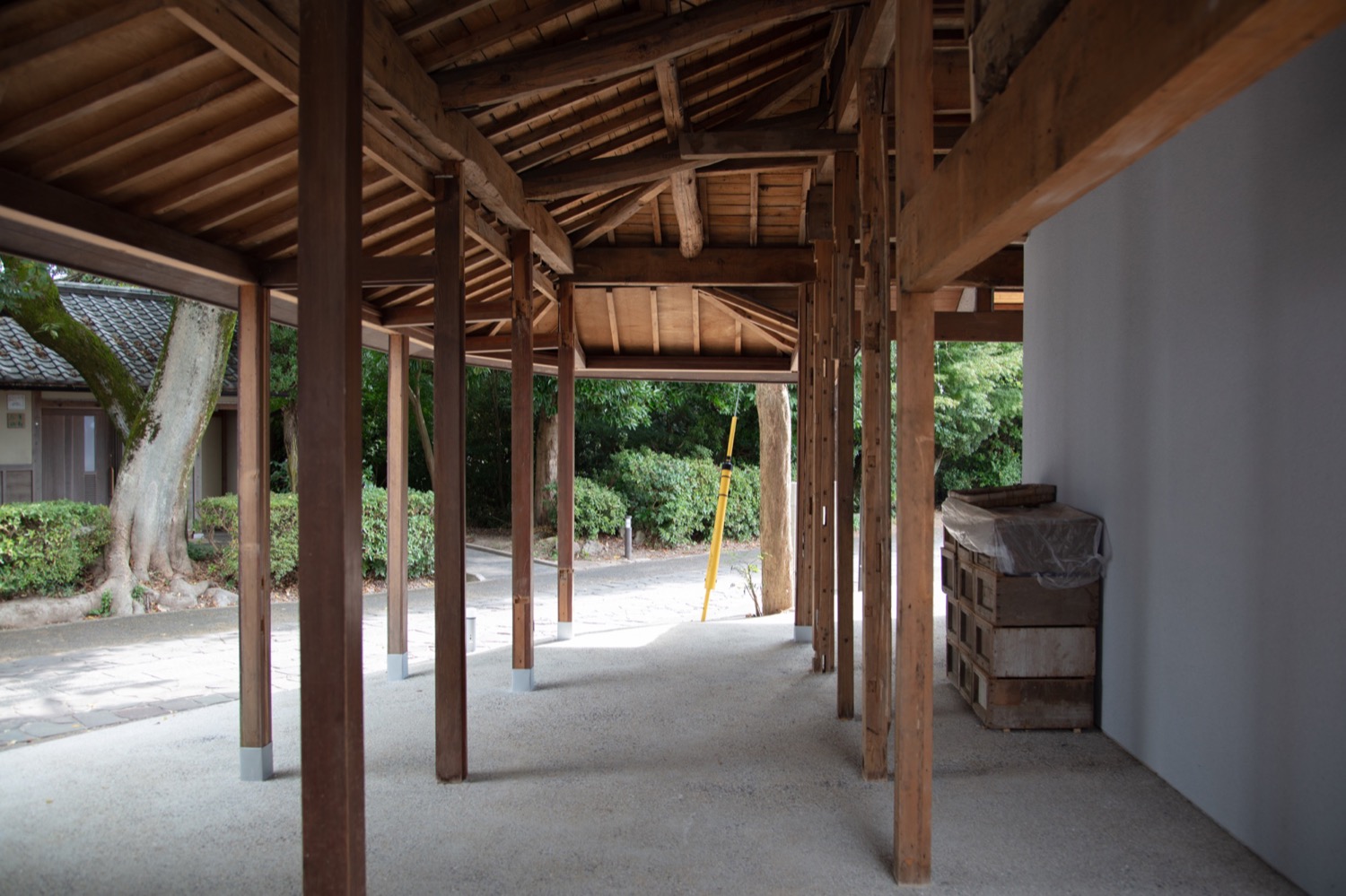
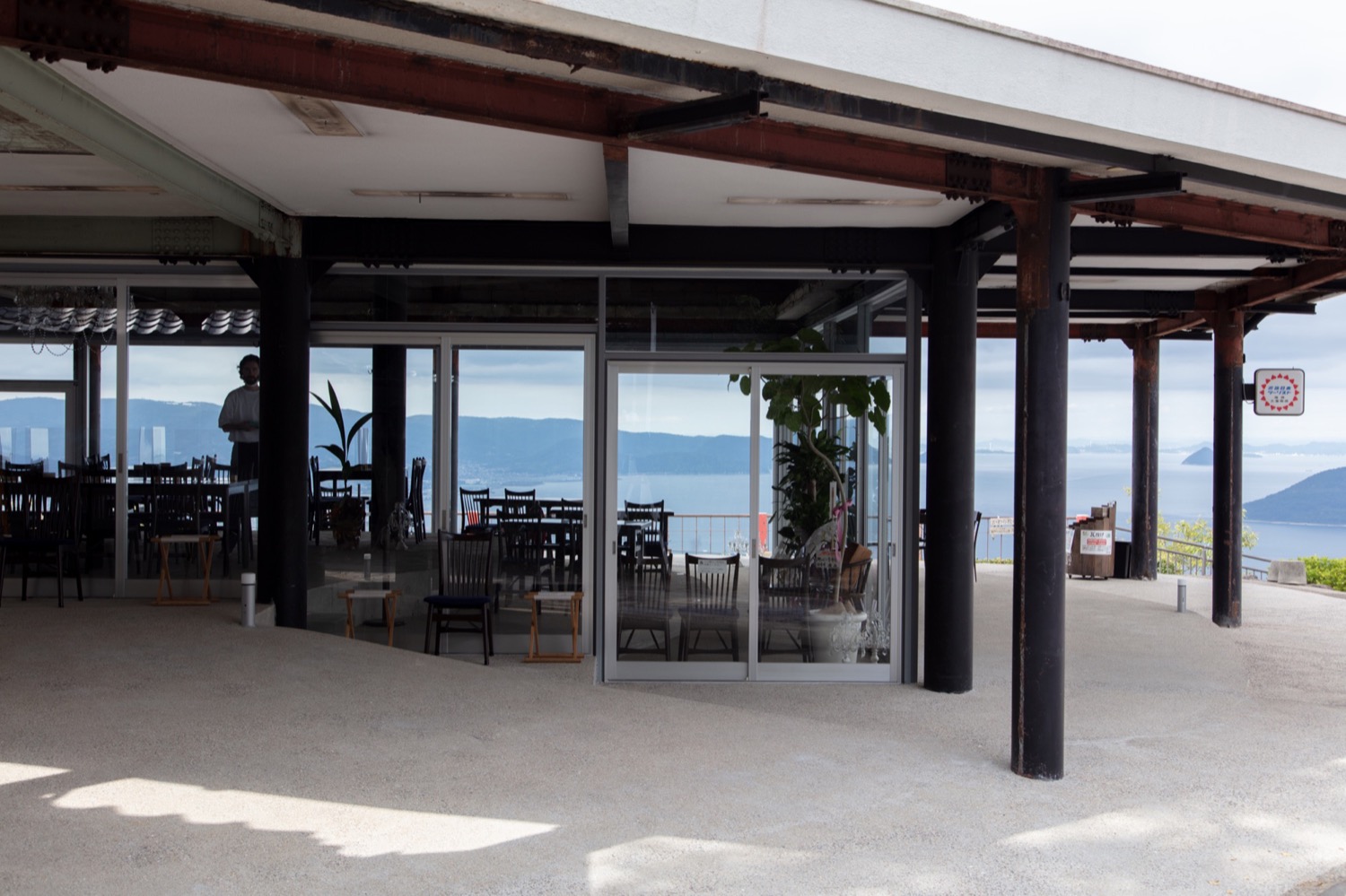
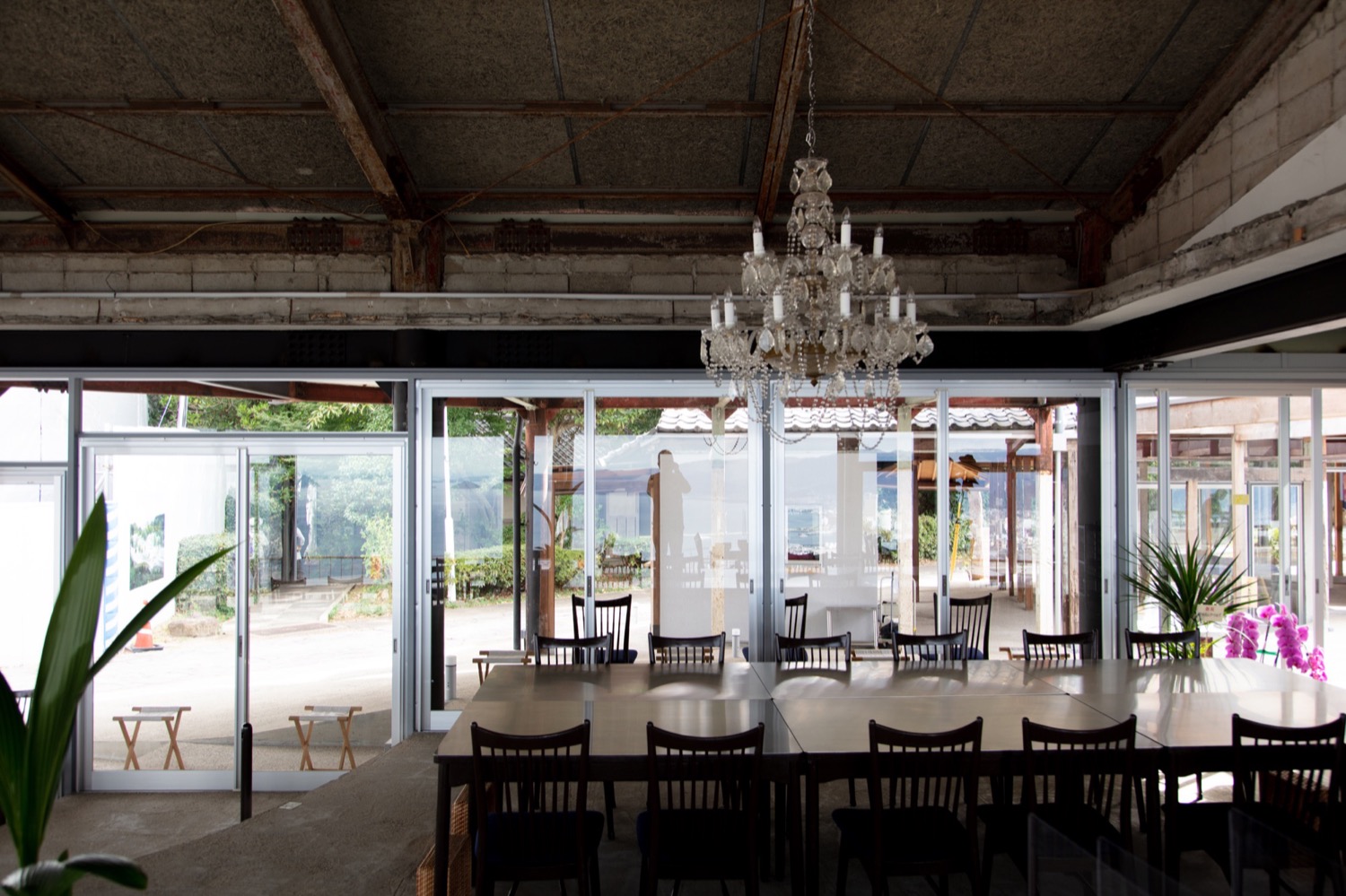
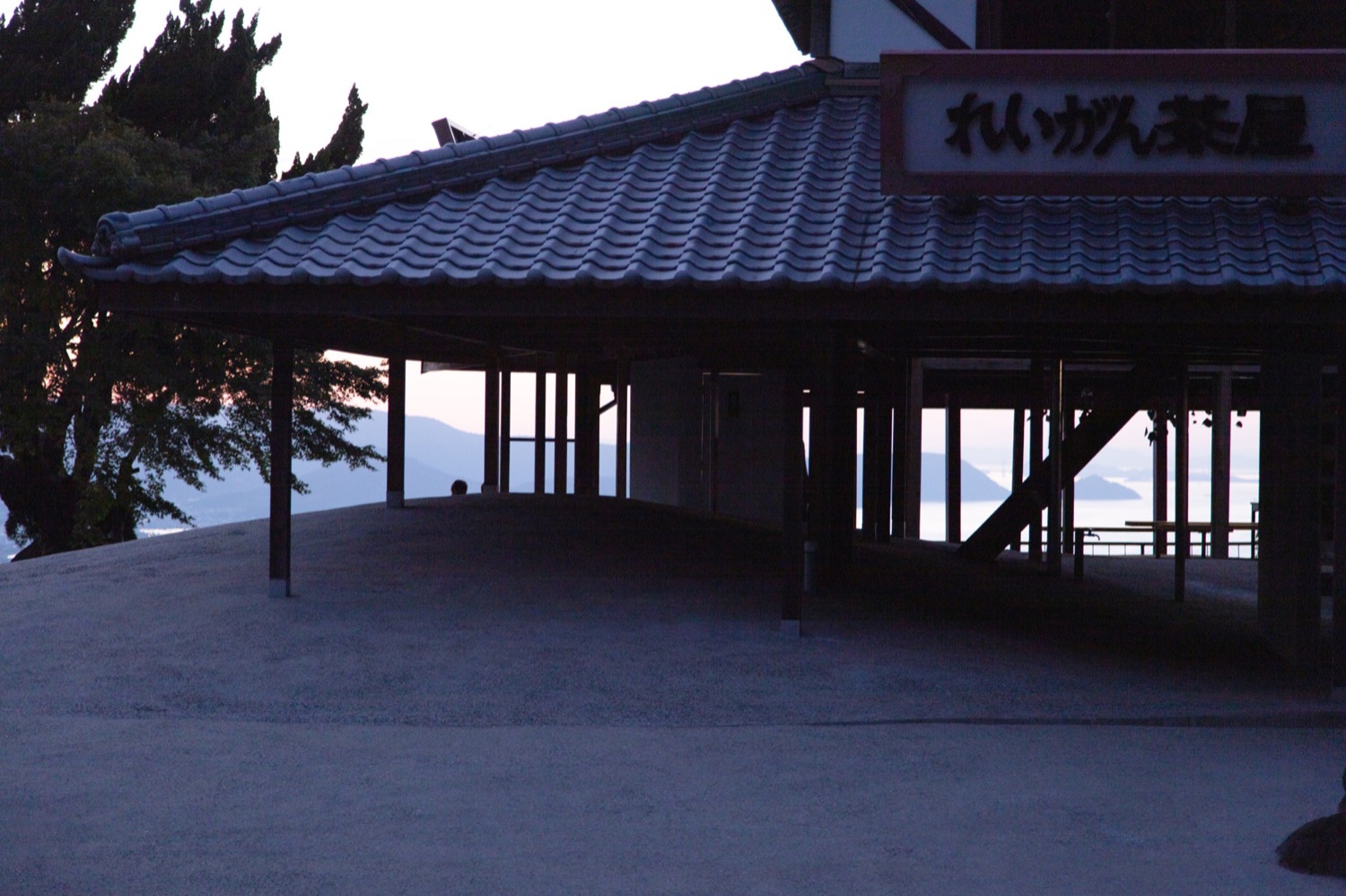
The existing structure, intricately layered, has survived through repeated extensions and renovations across the Taisho, Showa, and Heisei periods, changing its use each time. It had become so unified that one might think it never had an original form at all. Its presence resembled that of a large tree that has stood on the site for many years. In this sense, it could be said that the architecture had achieved a coexistence with time. Within its totality, distinctions such as new and old felt almost trivial—the accumulation of time was heavy and profound. Above all, it possessed a quiet, undeniable charm.
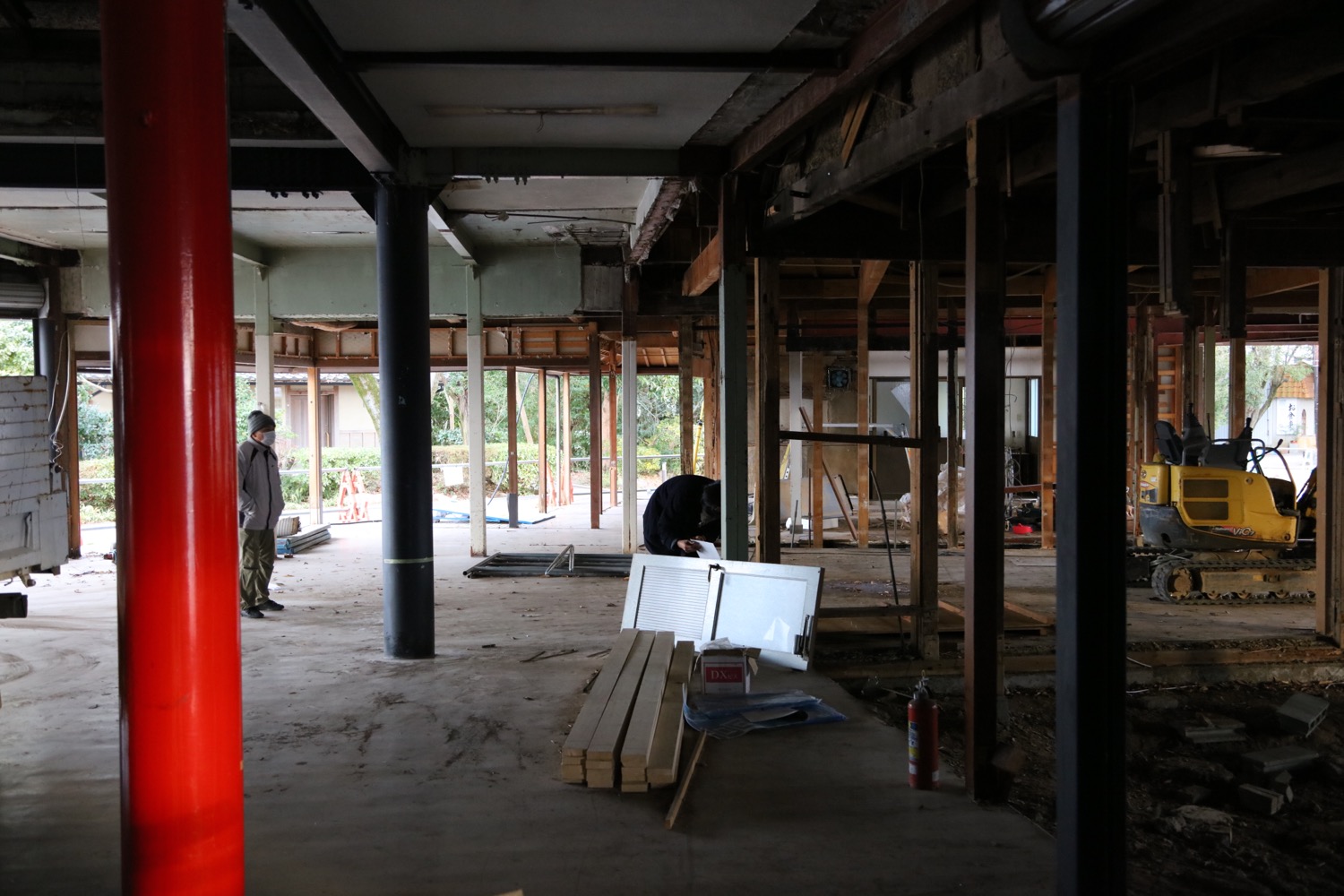
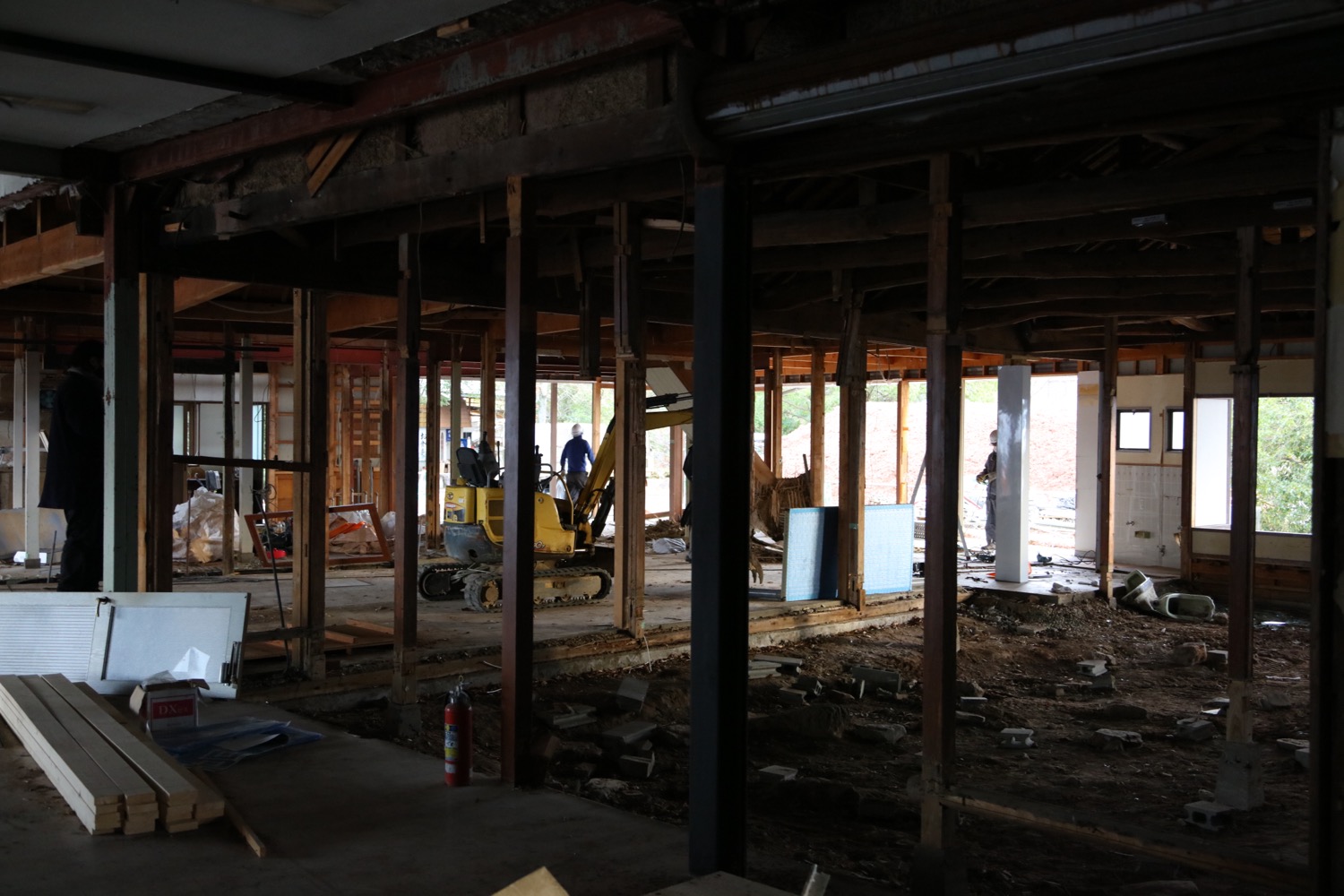
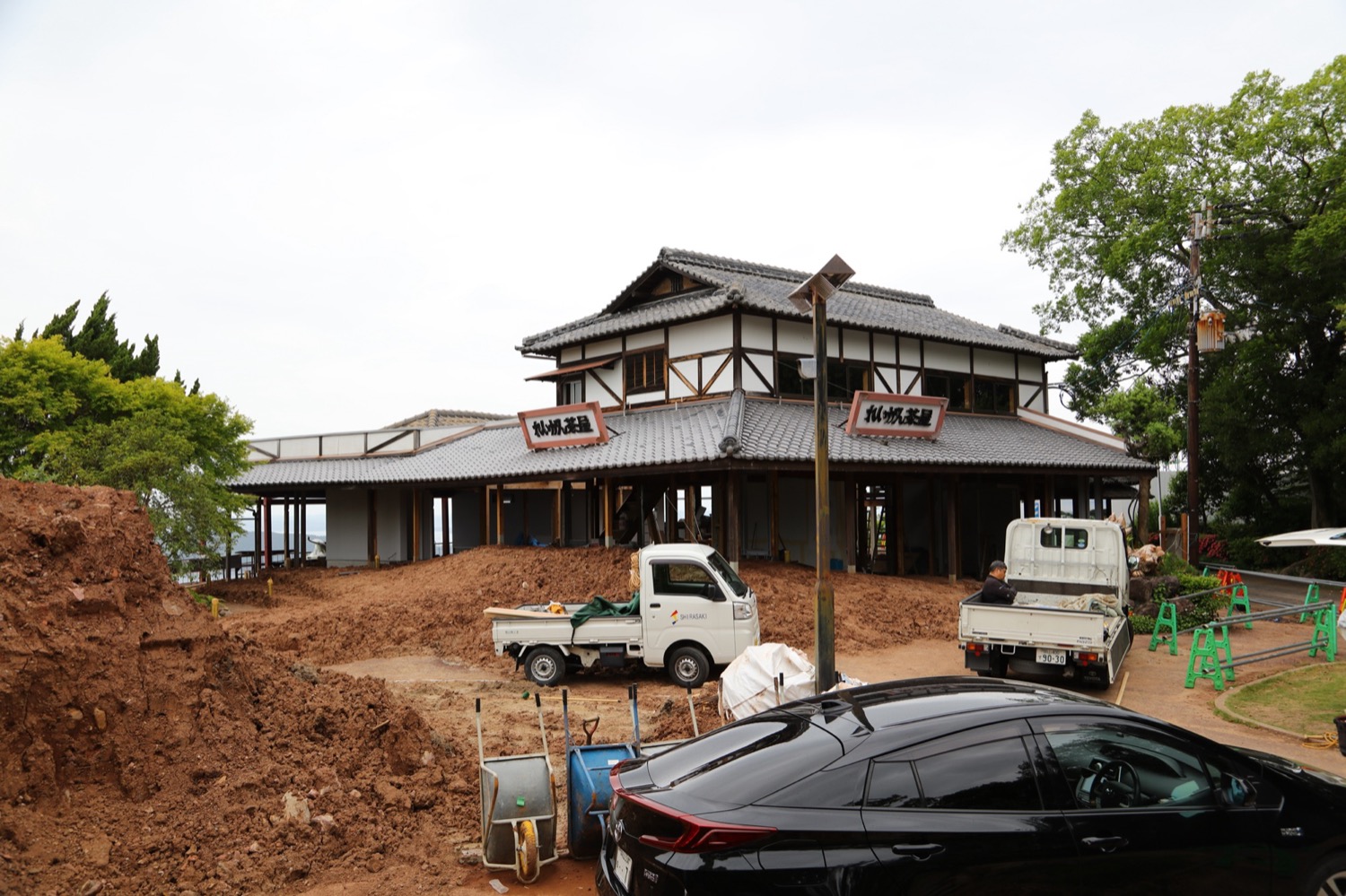
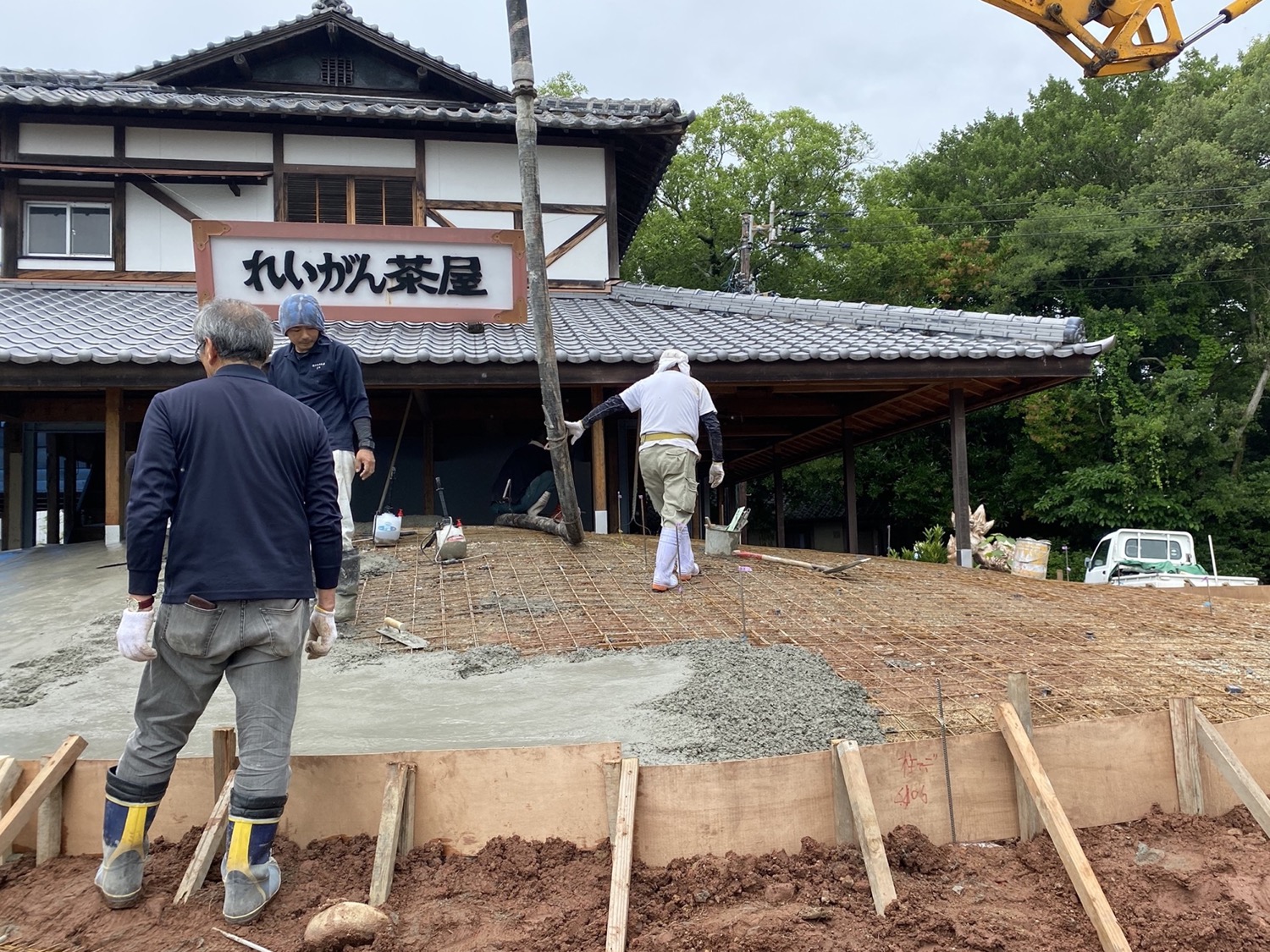
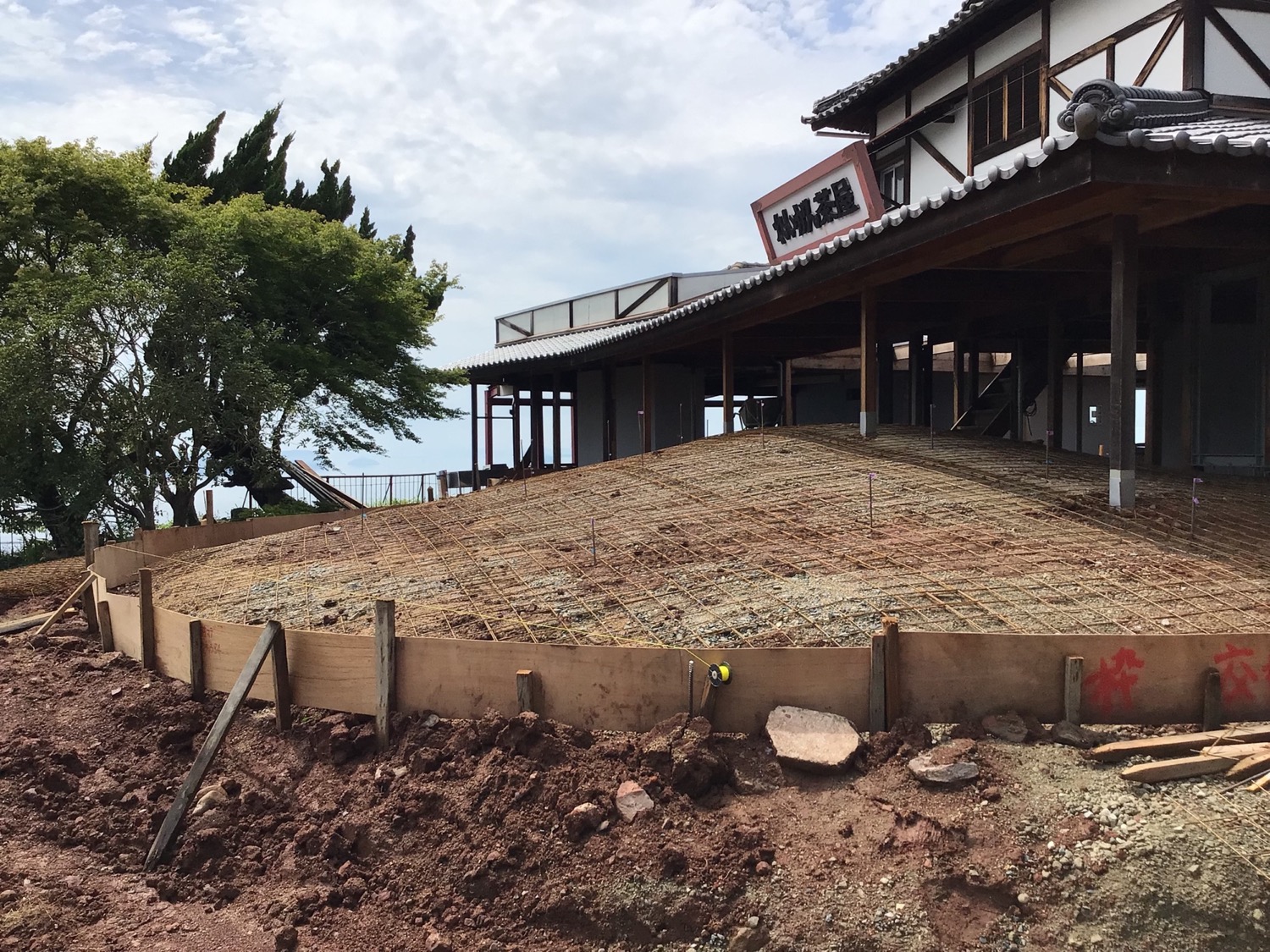
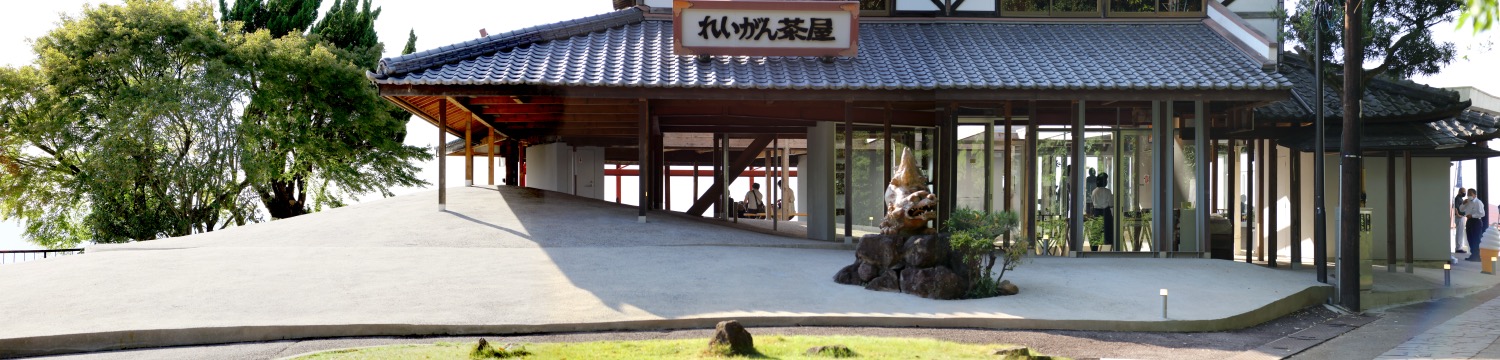
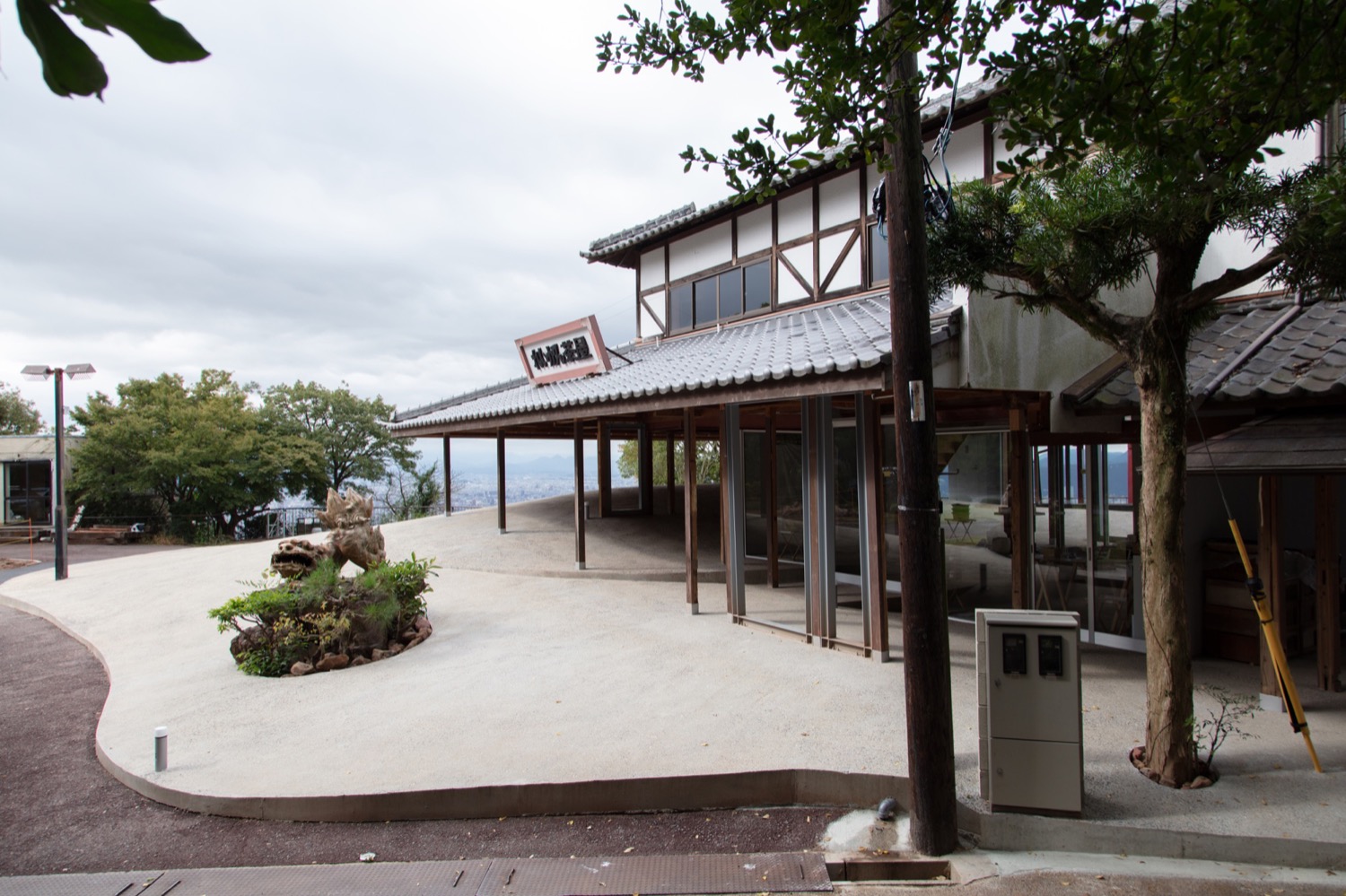
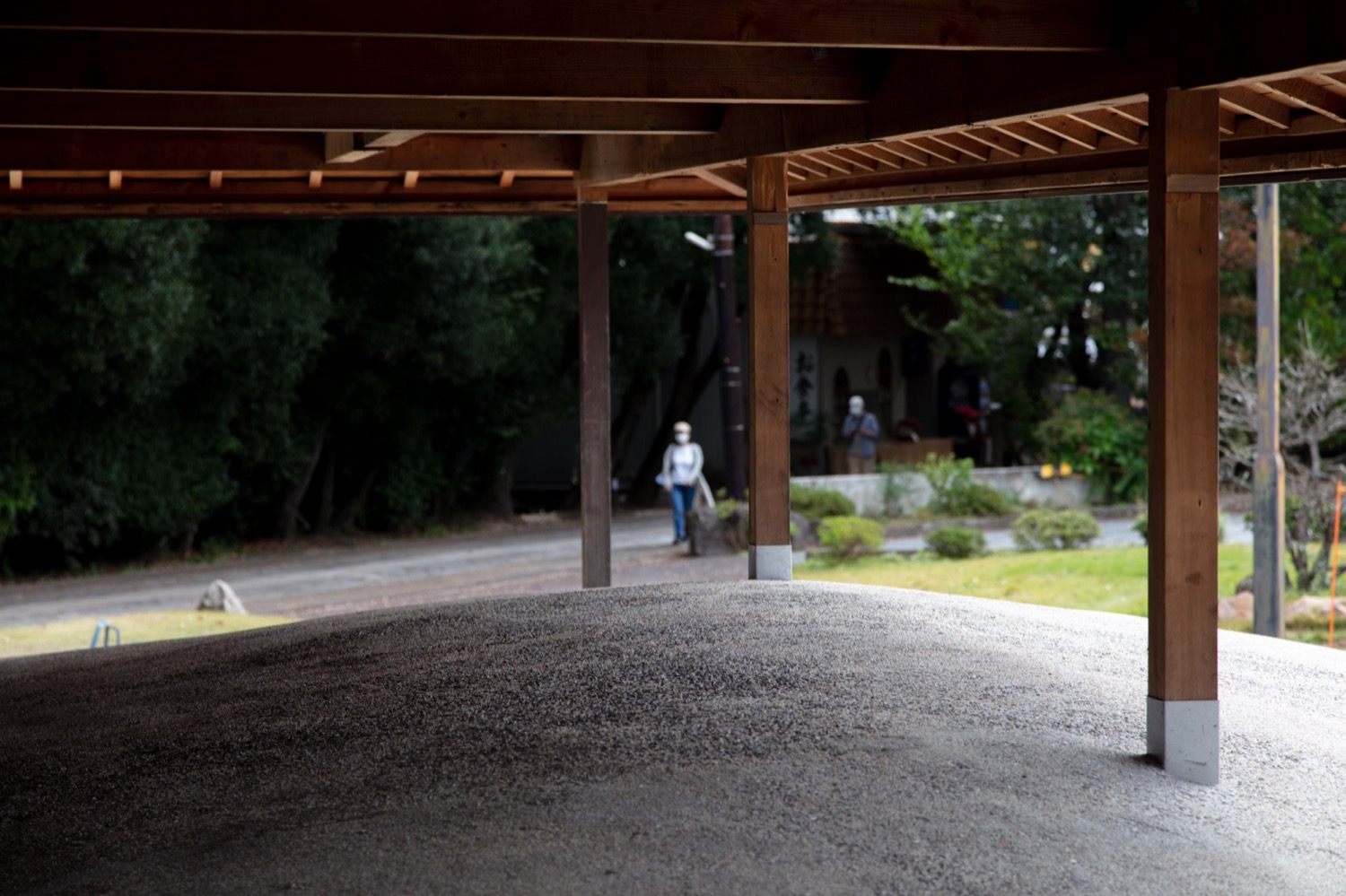
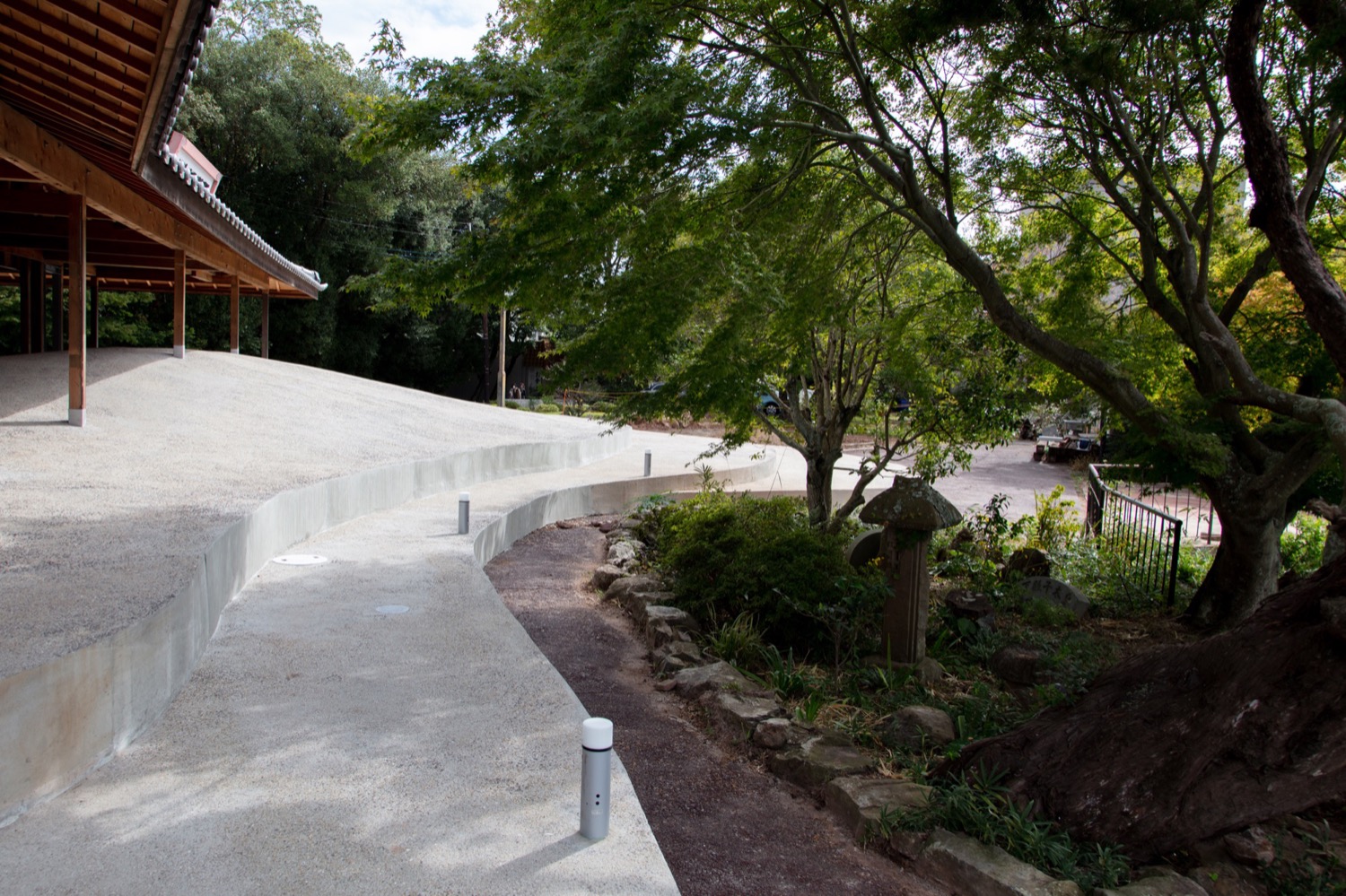
Taking the building itself—almost as if it were part of the site—as the primary element, we sought a way to recompose the entire site into a new image. We decided to introduce a mound-like topography at the base of the architecture. By re-integrating the site through the undulation of the ground, the relationship between architecture and people changed, and the whole—including the building—came to be perceived as a single piece of topography.
Perhaps, as long as a new order can be given to a place, the specific method is not the essential issue. Whether a small part or most of it is renewed, it remains only a part when seen from a slightly distanced perspective. What matters is that the elements already present and those newly introduced can be combined to form a coherent whole—a new image of the place. In some cases, it may not even be necessary to introduce new elements to create a new order. It is possible to produce a new image using only what already exists. By binding together a place that was gradually dissolving—with the most delicate yet firm intervention possible—an architecture emerged that feels both newly made and as if it had always been there. It became a place with a quiet, almost mysterious comfort. The view from there remains, both now and in the past, beautiful and serene.